 Lietuviškai
  Deutsch

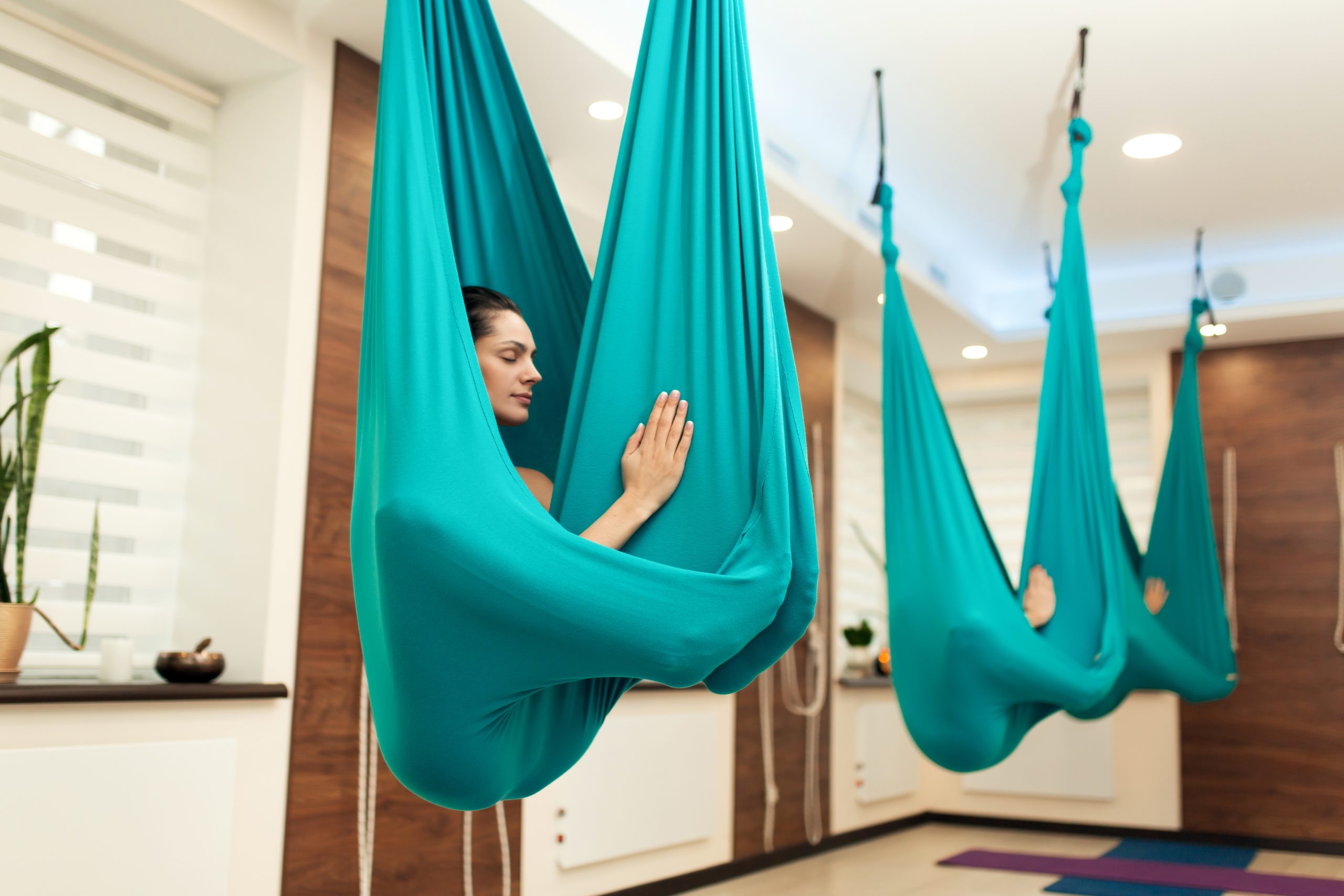
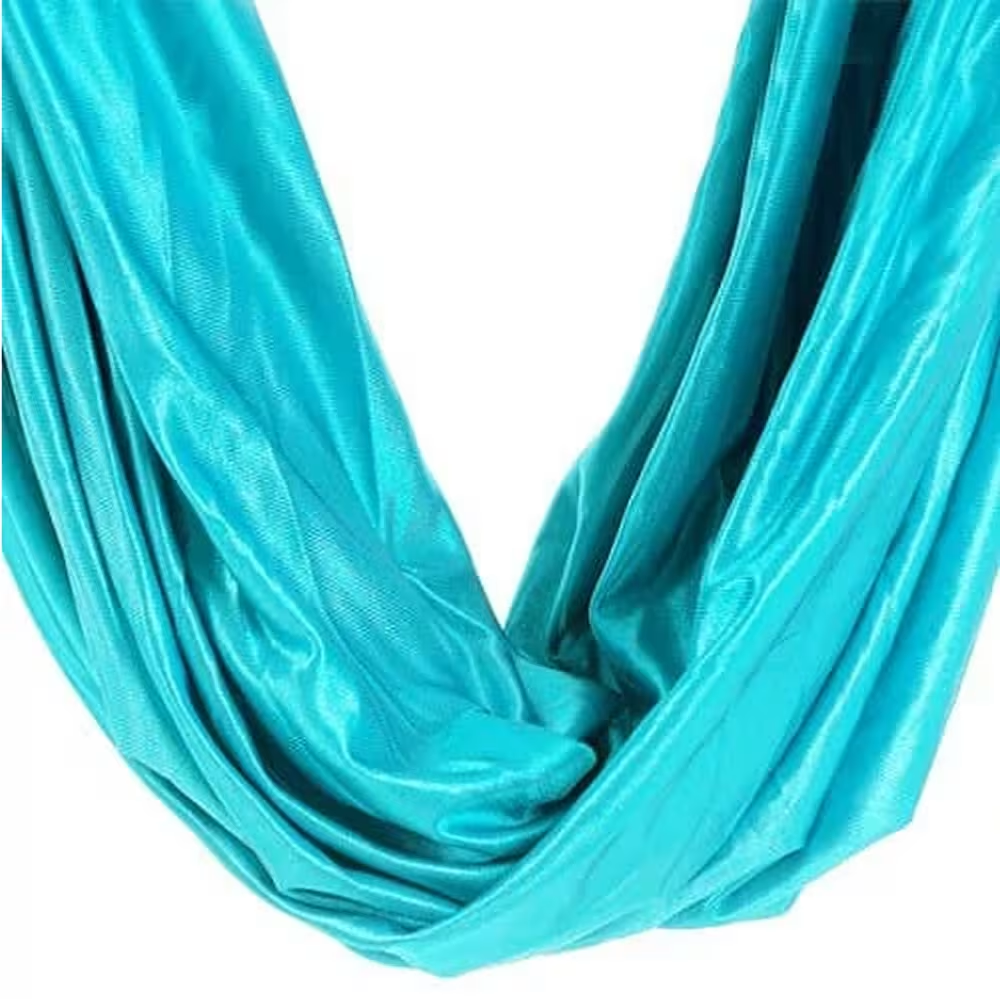
Aerial Yoga Hammock
Frequently Asked Questions
Choosing The Right Hammock
1. Is This Aerial Yoga Hammock Safe?
Yes. The hammock fabric meets the requirements of PN-EN 913+A1:2022-02, which sets general safety requirements and test methods for gymnastic and sports equipment used in supervised training.
Key Safety Features:
- Breaking Load Limit: 1.5 tonnes
- Safe working load: up to 150 kg
- Tested by professional aerial schools
- Suitable for beginners, intermediate, and advanced users
Always use the hammock with correctly rated rigging equipment and a professionally verified installation.
2. How Are Aerial Silks Different from Aerial Yoga Hammocks?
Aerial silks consist of two separate lengths of fabric that hang from the ceiling and are primarily used for climbing, wrapping, inversions, and dynamic acrobatic movements.
Aerial yoga hammocks are made from a single seamless piece of fabric that provides full-body support and is primarily used for yoga-based stretching, inversions, and relaxation.
Aerial silks are more performance- and trick-oriented, while hammocks focus more on gentle support, stretching, and therapeutic benefits.
3. What Size Aerial Yoga Hammock Do I Need?
Choose the hammock length based on your ceiling height:
- 5 m hammock: suitable for ceilings from 2.2 to 2.5 m
- 6 m hammock: suitable for ceilings from 2.5 to 2.9 m
A longer hammock may be needed for higher ceilings or more advanced aerial practice. Adjust the final hanging height to your body height and the exercises you plan to do.
4. What Fabric Is Best for Aerial Yoga?
Polyamide (nylon) is a popular fabric for aerial yoga hammocks because it is soft, durable, and comfortable against the skin.
In our range, you will find hammocks made from high-quality polyamide (nylon) fabric. The fabric stretches across the width while remaining stable in length, providing comfortable support without excessive sagging.
Avoid low-quality parachute-style materials, as they may offer little stretch or support and can be less comfortable during inversions and wraps.
5. What Does “Single-Point” vs “Double-Point” Hammock Mean?
A single-point hammock is attached to one ceiling mount or rigging point. The fabric comes together above the user, creating a more enclosed, cocoon-like shape. When rigged with a swivel, it can rotate freely, making it suitable for circus-style movements, spinning, and solo aerial practice.
A double-point hammock is attached to two separate ceiling mounts or rigging points. The fabric is held farther apart, creating a wider, more stable U-shape. It does not rotate freely, which makes it a popular choice for aerial yoga, fitness training, and therapeutic-style practice.
6. Is a Single-Point or Double-Point Hammock Better for Beginners?
Both options can work well for beginners. The best choice depends on the type of practice you want to do.
Choose a double-point hammock for aerial yoga, stretching, fitness, and stable, non-spinning practice. The two attachment points hold the fabric farther apart, giving you more space in the hammock.
Choose a single-point hammock if you want a more enclosed, cocoon-like setup, plan to practise solo, or are interested in aerial-sling and circus-style movements. It requires only one anchor point and can rotate when rigged with a suitable swivel.
Installation And Rigging
7. What Do I Need to Install an Aerial Yoga Hammock at Home?
To install an aerial yoga hammock safely, you will need:
- A concrete ceiling, structural beam, suitable wooden joists, or a professional aerial rig capable of supporting at least 500 kg per attachment point.
- Ceiling anchors, hooks, or rigging plates designed and rated for dynamic loads.
- Locking carabiners rated at least 22 kN.
- Strops or extension straps, if needed to adjust the hammock height.
- A structural engineer’s assessment confirming that the ceiling or structure can withstand the expected dynamic forces.
All attachment points must be professionally assessed and correctly installed.
Never attach the hammock to a suspended ceiling, plasterboard, false ceiling, or an unverified structural element.
8. What Distance Should the Rigging Points Be Apart?
For a double-point aerial yoga hammock, position the rigging points approximately 40–60 cm apart, at about shoulder width. A spacing of around 50 cm is suitable for most users and home installations. Professional aerial-yoga suppliers commonly recommend approximately 45–60 cm, depending on the user’s body width and the intended style of practice.
9. How Much Floor Space Do I Need?
For studio use, allow a clear area of at least 3.5 metres in diameter around the hammock. Ideally, there should be approximately 2 metres of clear space in front of and behind the rigging points, plus at least 1 metre on each side.
For home practice, make sure there is enough clear floor space to lie down and fully stretch your body horizontally without reaching furniture, walls, or other obstacles.
Keep the training area clear at all times and use a suitable crash mat where needed.
Care And Maintenance
10. How Do I Wash My Aerial Yoga Hammock?
Follow these care guidelines to keep your hammock clean and in good condition:
- Wash the hammock separately in a washing machine—never with other clothing.
- Use a gentle cycle at 30°C for regular washing or up to 40°C for tougher stains.
- Use only a mild detergent.
- Do not use bleach, fabric softener, or harsh stain removers.
- Remove all carabiners, chains, and other hardware before washing.
- If using a top-loading washing machine, place the hammock in a mesh laundry bag to help prevent snagging.
- Do not tumble dry, as heat can damage synthetic fibres.
- Hang the hammock to dry in a well-ventilated area, away from direct sunlight.
11. How Often Should I Wash My Aerial Yoga Hammock?
Wash your aerial yoga hammock when necessary, but avoid washing it more often than required.
More frequent washing may be needed if you train intensively or after particularly sweaty training sessions.
Frequent washing can gradually contribute to fabric wear, so it is important to balance cleanliness with fabric preservation.
12. Can I Dry My Hammock in a Dryer?
No. Do not tumble dry your aerial yoga hammock. Dryer heat can damage and weaken synthetic nylon or polyester fibres, reducing the fabric’s lifespan and potentially affecting its safety.
Always air dry the hammock completely in a shaded, well-ventilated area, away from direct sunlight. Do not use it again until it is fully dry.
13. Does My Hammock Need Special Storage?
Yes. Store your aerial yoga hammock in a clean, dry place away from direct sunlight. UV exposure can fade the colour and weaken the fabric over time.
Remove carabiners, chains, and other hardware before storage whenever possible. Make sure the hammock is completely dry before putting it away, and do not leave it outdoors or exposed to moisture.
14. How Do I Inspect My Hammock for Damage?
Inspect your aerial yoga hammock before each use and after washing. Lay the fabric out fully in a clean, well-lit area and check the entire length, including the edges and attachment areas.
Look for:
- Snags, holes, tears, runs, burns, or frayed edges
- Puckering, thinning, discolouration, or damaged areas
- Damage around knots, attachment points, or areas exposed to friction
Puckering can indicate internal fabric damage and should be checked carefully. If you find significant damage, stop using the hammock immediately and have it professionally assessed before using it again.
15. Can I Return It If It Doesn’t Work Out?
Yes. You have a 14-day right to return your order and receive a refund.
Return Conditions
- You may return the product within 14 days of receiving it.
- The product may be inspected and handled only as necessary to check its nature, characteristics, and function—just as you would in a physical shop.
- If the equipment shows signs of use, wear, marks, damage, or other handling beyond what is necessary for inspection, its value may be reduced.
- To start a return, simply contact us by email.
- Return shipping costs may apply, depending on the return policy and the reason for the return.