 Lietuviškai

aerial hoop (lyra) – frequently asked questions
1) is this hoop safe for beginners?
yes!
safety features:
• 2-ton breaking strength (10x safety margin)
• 200 kg safe working limit for training
• 27mm steel tubing with 3mm wall thickness
• tested by professional aerial schools
• trusted by thousands of beginners worldwide
best for: all skill levels – you’ll be in safe hands.
2) what equipment do i need besides the hoop?
minimum items to get started safely:
essential:
• ceiling mount (heavy-duty, load-rated)
• crash mat (at least 5% of suspension height thick)
• safe practice space (clear floor area with spotter)
• rigging hardware: carabiner, swivel, round sling or velvet sling
optional:
• adjustable strap (for easy height changes)
• freestanding rig (if you can’t install ceiling mount)
3) what do i need to install a hoop at home?
to install safely, you’ll need:
• concrete ceiling, a sturdy ceiling beam, wooden joists, or professional aerial rig that can support at least 500 kg per attachment point
• proper ceiling hooks or rigging plates rated for dynamic loads
• carabiners (typically 22kn strength or higher)
• strops or extension belts, if needed for height adjustment
• a structural engineer’s assessment to confirm your ceiling can support the dynamic forces
4) how do i install the hoop?
installation is straightforward for most users.
basic setup order (from ceiling down):
• secure ceiling mount or freestanding rig
• attach carabiner from ceiling mount
• attach swivel to carabiner
• attach round sling or extension strap to swivel
• attach second carabiner to sling
• attach hoop to carabiner
basic steps:
• secure ceiling mount (requires drilling) or use freestanding rig
• attach carabiner from hoop to ceiling mount via swivel
• verify carabiner is locked securely
• inspect ceiling mount for secure installation
• arrange crash mat underneath
• test weight before full use
• never practice alone – always have a spotter
if unsure: hire a professional rigger in your area.
5) how long will this hoop last?
producer gives 5-years guarantee for construction, but it can serve you years more. durability depends on use frequency, care, and maintenance.
care tips for longevity:
• wipe down after practice to remove sweat and hand residue
• keep indoors where it stays dry
• inspect regularly for scratches, dents, or rust spots
• check carabiners and hardware before each practice
with simple care like this, your hoop will last for many years of training.
6) what is the correct size for me?
find your perfect size using our measurement method:
standing measurement: measure from the top of your hip to the floor, then add 5 cm (round up).
seated measurement: measure from the seat of a chair to the top of your head, then add 12–15 cm (round up).
we offer 8 standard sizes: 75 | 80 | 85 | 90 | 95 | 100 | 105 | 110 cm
size guide (suggested user height):
• 110 cm: 180+ cm
• 105 cm: 172–180 cm
• 100 cm: 164–172 cm
• 95 cm: 156–164 cm
• 90 cm: 148–156 cm
• 85 cm: 135–148 cm
• 80 cm: 125–135 cm
• 75 cm: less than 125 cm
note: these are statistical recommendations. for a personalized fit, always measure according to your body.
unsure? email us your exact measurements and we’ll calculate the perfect size for you – gm@goodmoodsport.com
7) which handles option should i choose?
we offer three handle styles designed for different levels and preferences.
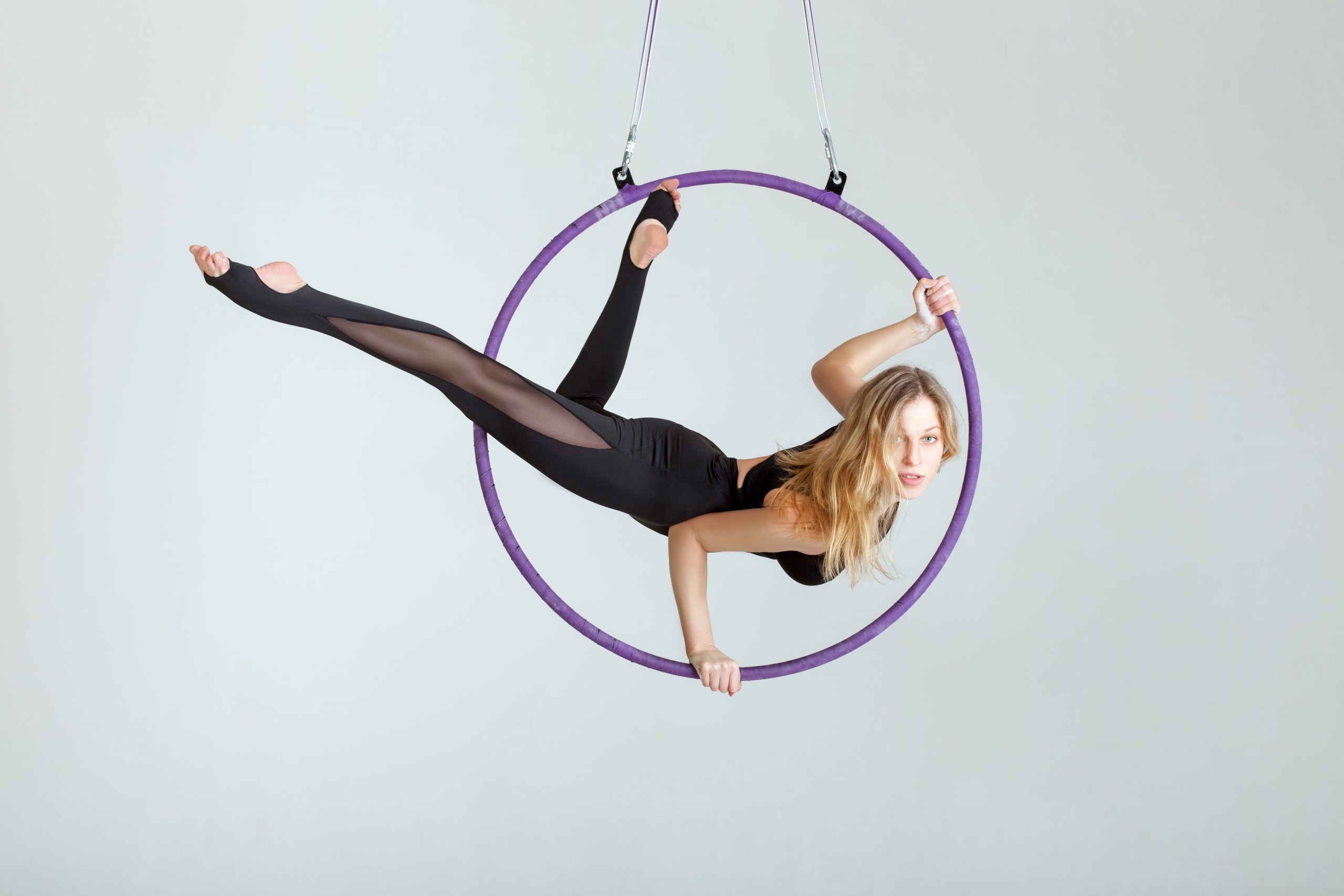
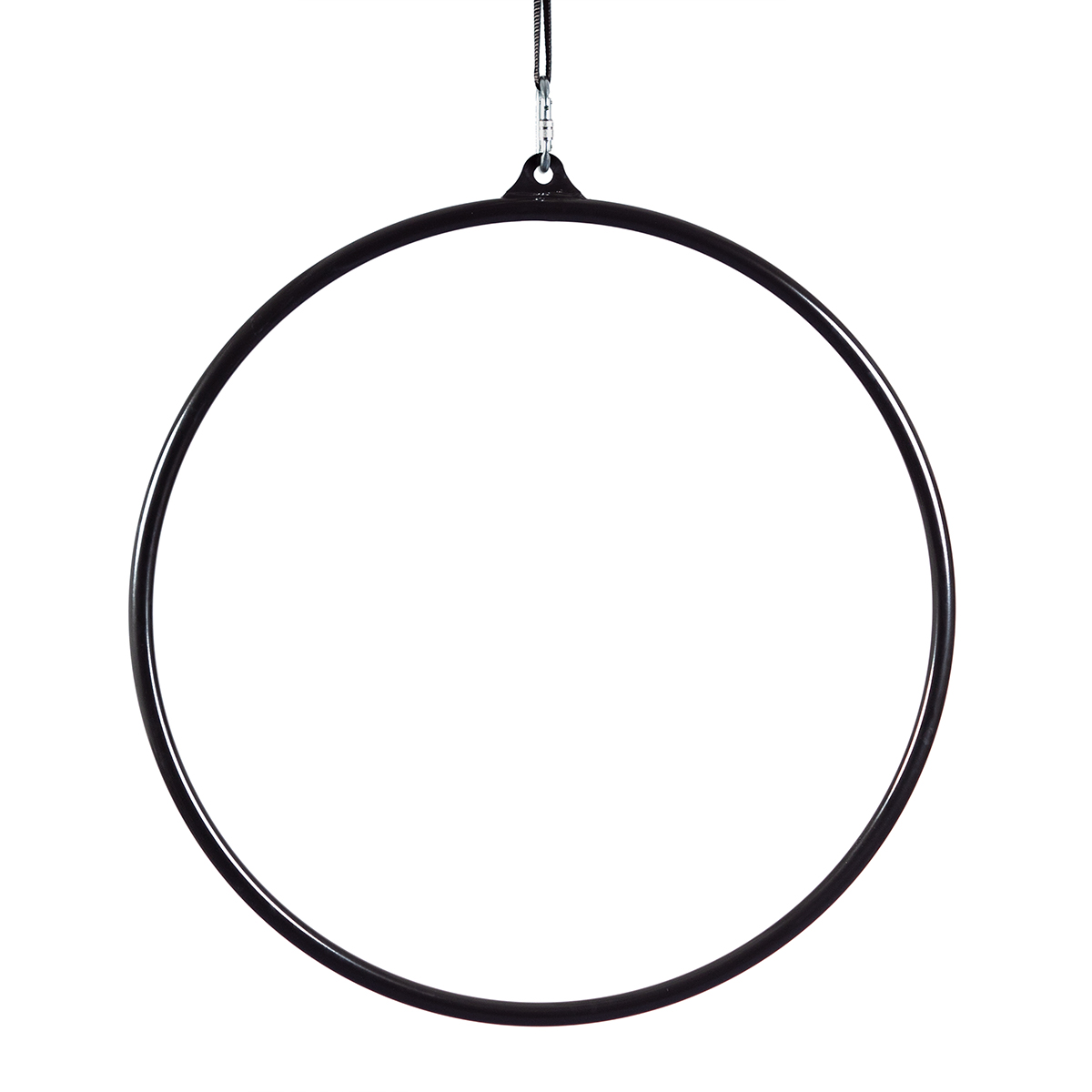
single-point hoop:
• one handle at the top
• spins all the way around smoothly
• easiest for learning your first moves
• best for: beginners and all-around training
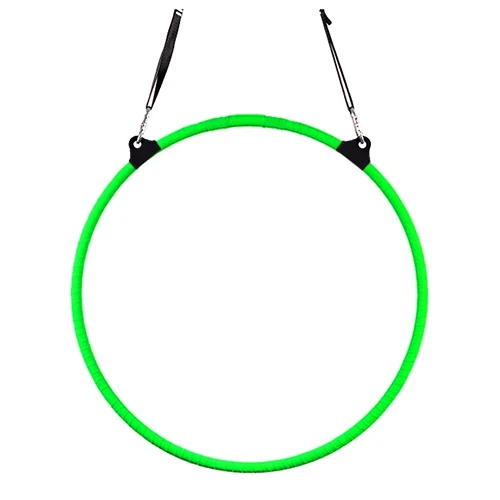
double-point hoop:
• two handles for extra support
• doesn’t spin as freely
• makes it easier to hold certain positions and switch between moves
• used in some aerial championships
• best for: intermediate aerialists seeking more control
zero-point (handle-free) hoop:
• no handles – strap wraps directly around hoop
• gives you the smoothest spinning and flow
• requires more strength and experience to use safely
• best for: advanced aerialists with solid technique
8) do i need taped or untaped hoop?
taped hoops:
benefits:
• significantly enhanced grip – extra friction helps you maintain secure hold, even with sweaty hands
• better control during dynamic movements – professional predictability
• protective padding – adds cushioning, reducing pressure on hands, wrists, and body
• ideal for moves requiring strong grip – ankle hangs, foot hangs, heel hangs, neck hangs
• best for: most aerialists, especially those doing extreme positions or drops
considerations:
• requires more maintenance – tape can wear and needs replacing every 1–2 years depending on use
• initial stickiness – new tape may leave slight adhesive residue; dust with chalk to reduce this
• potential for skin burns – friction from tape on bare skin takes getting used to
• need for padding – you’ll want to wear protective clothing to avoid burns and calluses on hands, wrists, and legs
untaped hoops:
benefits:
• smoother hand feel – gentle on skin, especially for burlesque or performance-style training
• reduced skin burns – no friction burns from constant tape contact
• gentler on hands – won’t develop the same calluses as taped hoops
• easier to clean – no tape stickiness
• best for: performances with exposed skin, aerial dance, burlesque-style movements
considerations:
• lower grip – powder-coated finish or bare metal is less grippy than tape
• more challenging for certain moves – neck hangs, heel hangs, and foot hangs are riskier and harder to perform
• requires stronger hand control – sweaty hands make grip more difficult
• not recommended for drops or extreme dynamic movements – higher risk of slipping
deciding between taped and untaped? talk to your instructor or try different options. most professionals prefer taped hoops for training and competitions. many performers use untaped hoops for aesthetic reasons.
9) how do i tape my hoop?
if you want to tape your hoop, here’s the professional method:
what you need:
• high-quality grip tape (100% cotton cloth tape is best – prevents stickiness issues)
• scissors
• chalk
• rubbing alcohol or solvent
preparation:
• clean your hoop thoroughly with rubbing alcohol to remove dirt, oil, and residue
• let it dry completely
• optional: use pre-tape spray to improve adhesion
taping method (two-part overlap method – professional standard):
step 1:
• start at the bottom center of the hoop (6 o’clock position)
• wrap the tape at approximately 40-degree angle, overlapping each layer by about one-third of the tape’s width
• continue wrapping upward until you reach the middle (12 o’clock)
step 2:
• start again at the bottom center
• wrap in the opposite direction, overlapping by one-third of the tape width again
• continue until you reach the top
this method creates:
• thicker, more protective tape at the bottom
• no rolling edges (tape won’t peel up)
• even, secure grip all the way around
after taping:
• smooth the tape as you apply it to avoid wrinkles or air bubbles
• keep tension on the tape while wrapping
• dust with chalk to absorb excess adhesive (normal on new tape)
• let it cure for 24–48 hours before intense training if possible
tape recommendations:
for best results, use 100% cotton cloth tape like prodigy snake tape, these have minimal sticky residue.
tape replacement:
most hoops need retaping every 1–2 years depending on frequency of use. signs it’s time to retape: tape is peeling, rolling at edges, or creating uneven surface.
10) can two people use one hoop?
yes – our 200 kg safe working limit and rigging hardware support two average adults safely.
hardware capacity:
• carabiner rated 22 kn (supports two people)
• 2-ton breaking strength (supports two people)
• combined system designed for partner use, teaching (instructor + student), family practice, duo performances
both users within safe weight range = safe simultaneous use.
11) maintenance – how do i keep my hoop safe?
regular inspection is critical for safety.
before each practice:
• check all carabiners and hardware for damage
• inspect carabiner, swivel, and ceiling mount for material wear deeper than 1 mm
• replace immediately if wear is detected – internal wear can compromise structural integrity
regular care:
• wipe down after practice to remove sweat and hand residue
• keep indoors where it stays dry
• look over for scratches, dents, or rust spots
• check attachment points where hardware connects to hoop
with simple care like this, your hoop will last for many years of training.
12) can i return it if it doesn’t work out?
yes – 14-day money-back guarantee.
guarantee details:
• full refund within 14 days
• equipment must be in original condition (no signs of use)
• you can inspect and test the product, but it cannot show wear, marks, or usage traces
• if equipment is unused and in resellable condition, full refund applies
• simple email process to initiate return
important: this guarantee covers defects or dissatisfaction with product quality. once the product shows signs of use or wear, it cannot be returned for refund (as it’s no longer resellable as new).
best for: peace of mind – inspect risk-free within 14 days.